Home inspections in Naperville: questions buyers ask
What does a home inspection cover, what comes up in homes of this age, who attends, and how long does it take, what can be negotiated after the inspection, and what does it cost, and how do I choose an inspector.
What does a home inspection cover?
A standard home inspection evaluates the physical components of a residential property from foundation to roof. The inspector examines visible structural elements, roof coverings, flashing, gutters, and exterior siding. Indoors, the assessment focuses on evidence of moisture intrusion, attic ventilation, insulation, windows, and interior doors. The inspection also reviews functional systems, including the electrical panel, heating and cooling units, water heaters, and plumbing fixtures. A general inspection is strictly visual and non-invasive. The inspector does not cut through drywall, move heavy furniture, or dismantle mechanical appliances.
Certain property elements require specialist inspections beyond the scope of a standard physical examination. You may choose to arrange additional evaluations, including a main sewer line scope, a chimney scan, and well or septic testing where those systems exist. Radon testing is another specialized service that you can independently schedule. Under state law, Illinois does not require a radon test; buyers commonly order one during the inspection period. Before a residential purchase contract is signed, the seller provides the Illinois Emergency Management Agency pamphlet Radon Testing Guidelines for Real Estate Transactions and a Disclosure of Information on Radon Hazards. These documents notify you of known conditions and outline proper procedures for environmental testing.
What comes up in homes of this age?
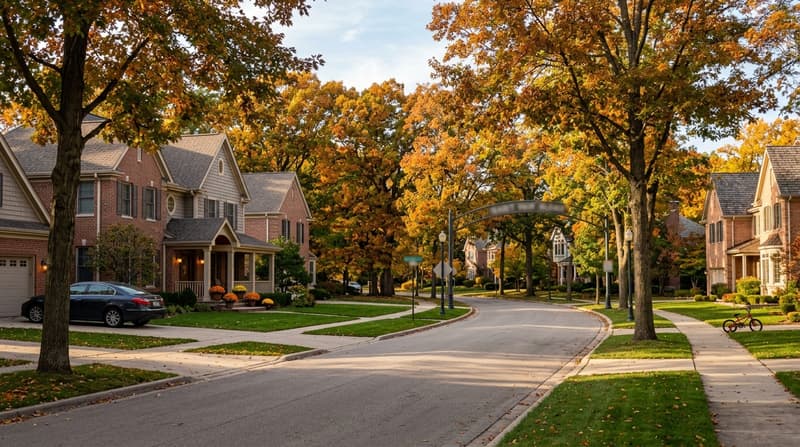
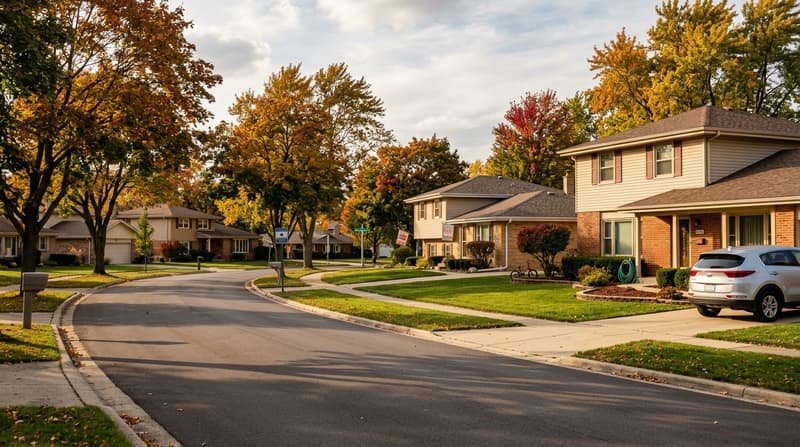
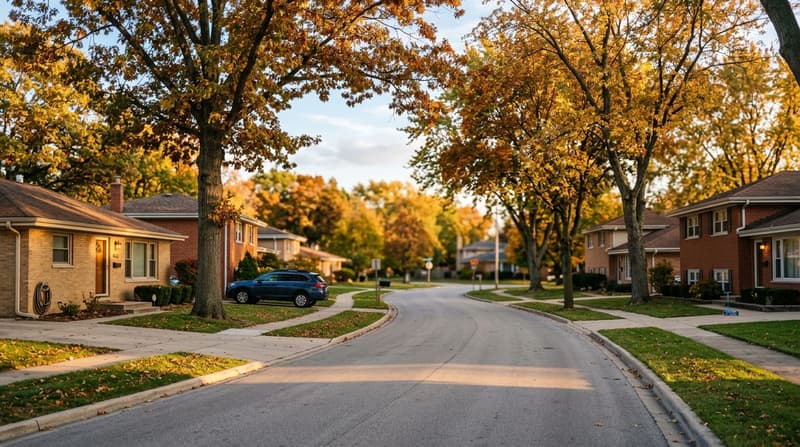
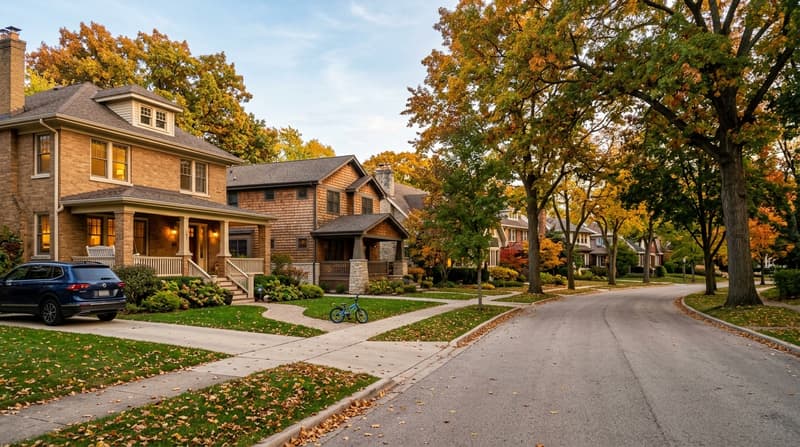
Across the 47,000 homes in Naperville, the median build year is 1984. This midpoint indicates that you will see a mix of mid-twentieth-century houses, 1980s subdivisions, and newer constructions. Each era presents predictable maintenance patterns that buyers should consider during property inspections. Older builds from the earlier parts of the twentieth century require attention to basic utility systems.
In the oldest properties, electrical systems may still contain sections of active knob-and-tube wiring. These vintage configurations cannot always support modern power demands and might complicate homeowner insurance coverage. Plumbing in pre-1960s structures frequently includes galvanized plumbing lines, which can suffer from internal corrosion and reduced water pressure. Inspectors typically check these pipes for corrosion, restricted flow, and signs of past leaks.
Properties constructed near the 1984 median often exhibit age-related wear on exterior surfaces and mechanical equipment. Older roofs on these homes may show shingle degradation, flashing wear, or compromised underlayment after decades of weather exposure. Exterior grading around foundations can settle over time, allowing rainwater to flow toward basement walls instead of away. Checking downspout extensions, foundation walls, and sump pump operations helps you identify potential moisture concerns early.
The local market contains an 80.0 percent owner-occupied rate and 227 active listings during August 2026. Buyers purchased 58 homes that month at a median price of $512,000, averaging 20 days on market. Transactions reached 97.6 percent of the asking price, demonstrating steady demand across every structural era in the community. Reviewing these standard maintenance items helps you plan necessary improvements before completing your home purchase.
Who attends, and how long does it take?
Buyers typically attend the final portion of the property inspection alongside their real estate agent. Attending the walk-through allows you to review the property directly with the inspector. You can ask questions about specific findings, observe major mechanical equipment, and discuss routine maintenance tasks. Your real estate agent often attends to clarify contract terms and note items that may require negotiation.
The duration of an inspection varies according to the physical size and age of the property. Larger homes with multiple heating units or additional living areas take longer to examine than smaller residences. Inspectors examine the structure, the plumbing, and the electrical systems from the foundation to the roofline.
After finishing the physical evaluation, the inspector compiles all findings, annotated photographs, and technical notes into an official written report. This document separates major safety concerns from routine repairs and cosmetic updates. You receive this inspection report electronically so you can plan future maintenance or formulate formal repair requests.
What can be negotiated after the inspection?
Under the Multi-Board Residential Real Estate Contract 8.0, you customarily receive five business days after acceptance for the inspection and attorney review period. During this specific window, either attorney may propose modifications to anything except the purchase price. You can use this inspection period to review the physical condition of the property thoroughly. While purchase price changes are not permitted under this clause, you can address property deficiencies through other contractual adjustments.
Negotiations after the inspection typically center on seller repairs or financial credits paid at closing. You can ask the seller to complete repairs before closing, or you can request a credit to manage the work yourself. Sellers commonly decline requests for minor cosmetic flaws, normal wear and tear, or older fixtures that still function properly. If the seller refuses your requests and you cannot reach an acceptable compromise, you retain the option to walk away. Terminating during this contingency period releases your earnest money and ends the transaction without penalty.
Local market conditions across Naperville often influence how sellers respond to repair requests or credit proposals. In August 2026, the area saw 58 closed transactions alongside 73 new listings. Homes spent an average of 20 days on the market, and transactions achieved a list-to-sale ratio of 97.6 percent. The median sold price reached $512,000, reflecting the pricing baseline across active residential neighborhoods. With 227 active listings recorded, focusing on significant defects helps you negotiate effectively before your five-day period closes.
What does it cost, and how do I choose an inspector?
Selecting a licensed home inspector in Illinois protects your purchase when buying a Naperville home. The median year built across the 47,000 homes in Naperville is 1984, making thorough structural and mechanical reviews essential. You should ask candidate inspectors for sample reports to verify how clearly they document property conditions. State licensing requires inspectors to adhere to established professional standards during every walk-through.
Inspectors determine their fees based on factors such as home size, foundation style, and the age of the structure. When evaluating a house near the August 2026 median sold price of $512,000, an inspector speaks clearly during the site visit. A reliable inspector points out immediate safety hazards, routine maintenance tasks, and aging systems out loud as you walk through. They clarify which items demand urgent attention and distinguish minor cosmetic issues from major mechanical failures. Checking sample reports and state credentials helps you make confident decisions within the average 20 days homes spend on the market.
Sources: Illinois Radon Awareness Act, 420 ILCS 46/10; Multi-Board Residential Real Estate Contract 8.0, Attorney Review paragraph (13).
Written from public sources and the closings recorded on this site; last revised September 21, 2026.


About the author
Blake Morgan
Real Estate Broker, John Greene · IL Broker #475212620
More about Blake →